Everything Has A Story.
Here’s Ours.
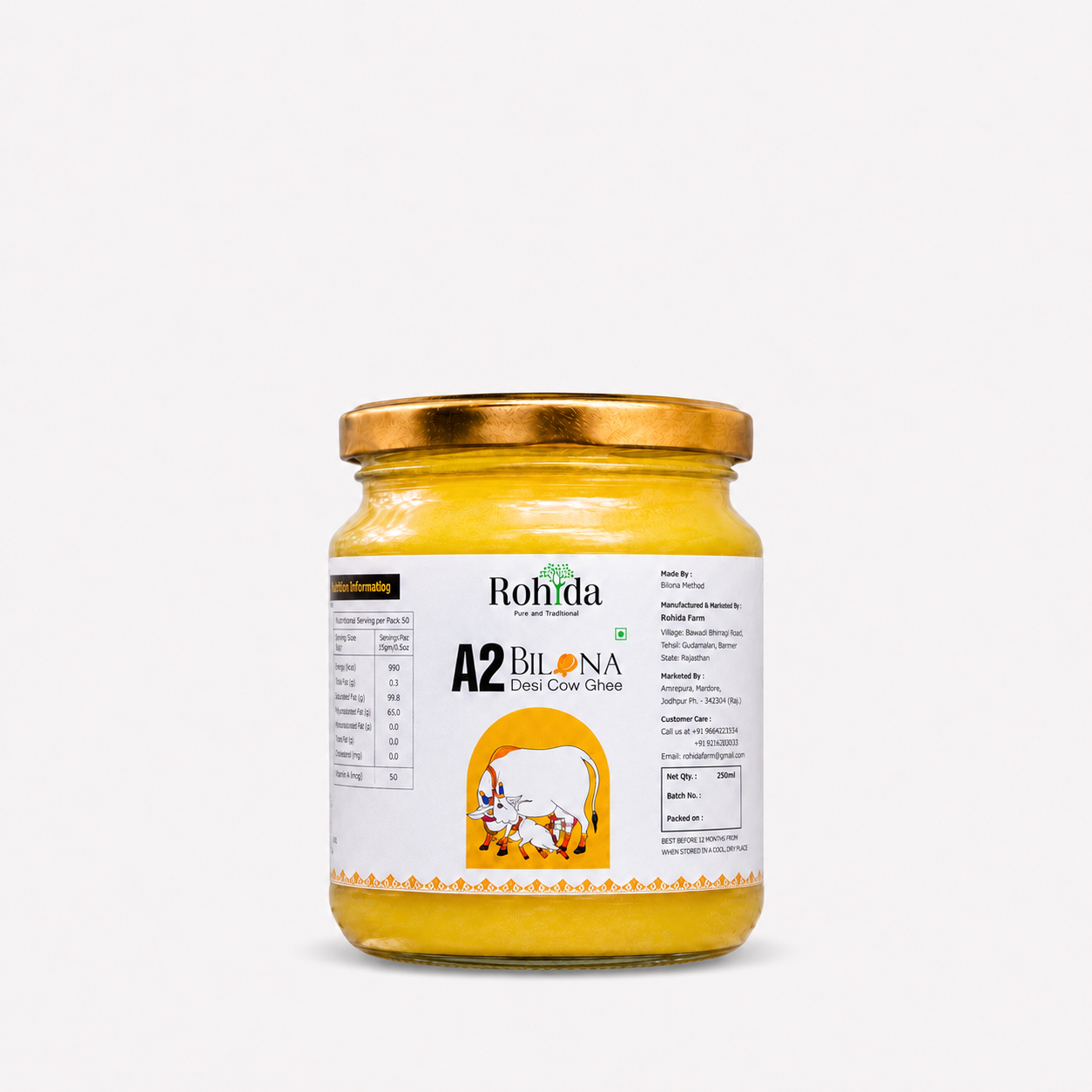
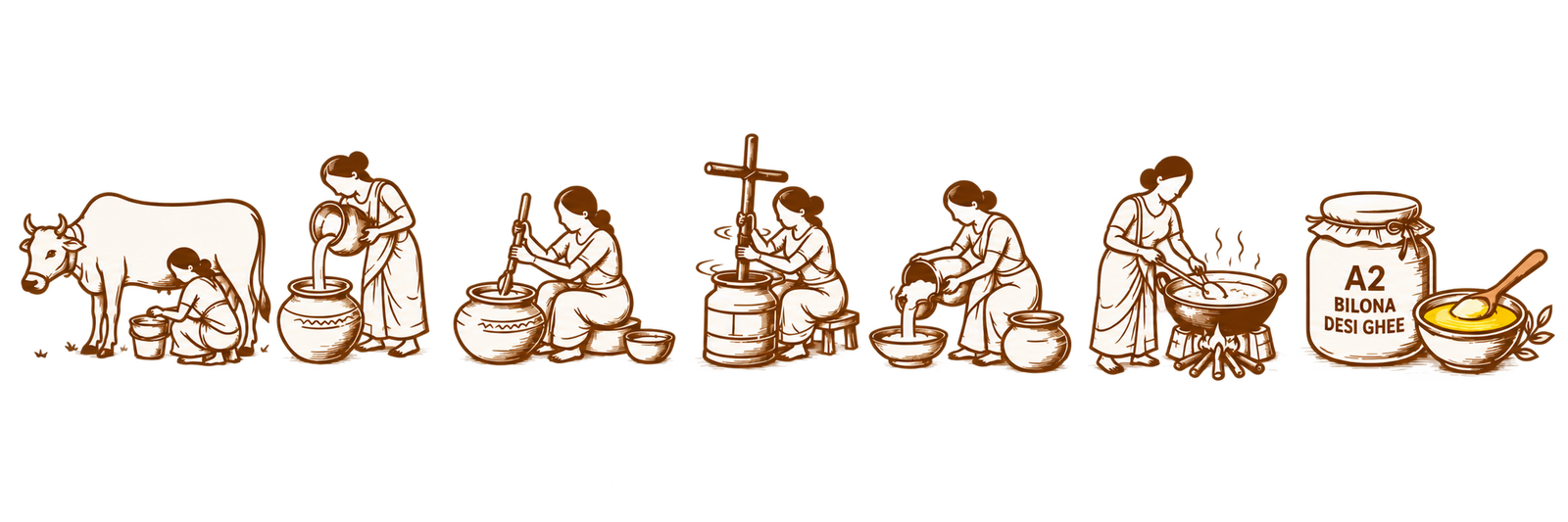
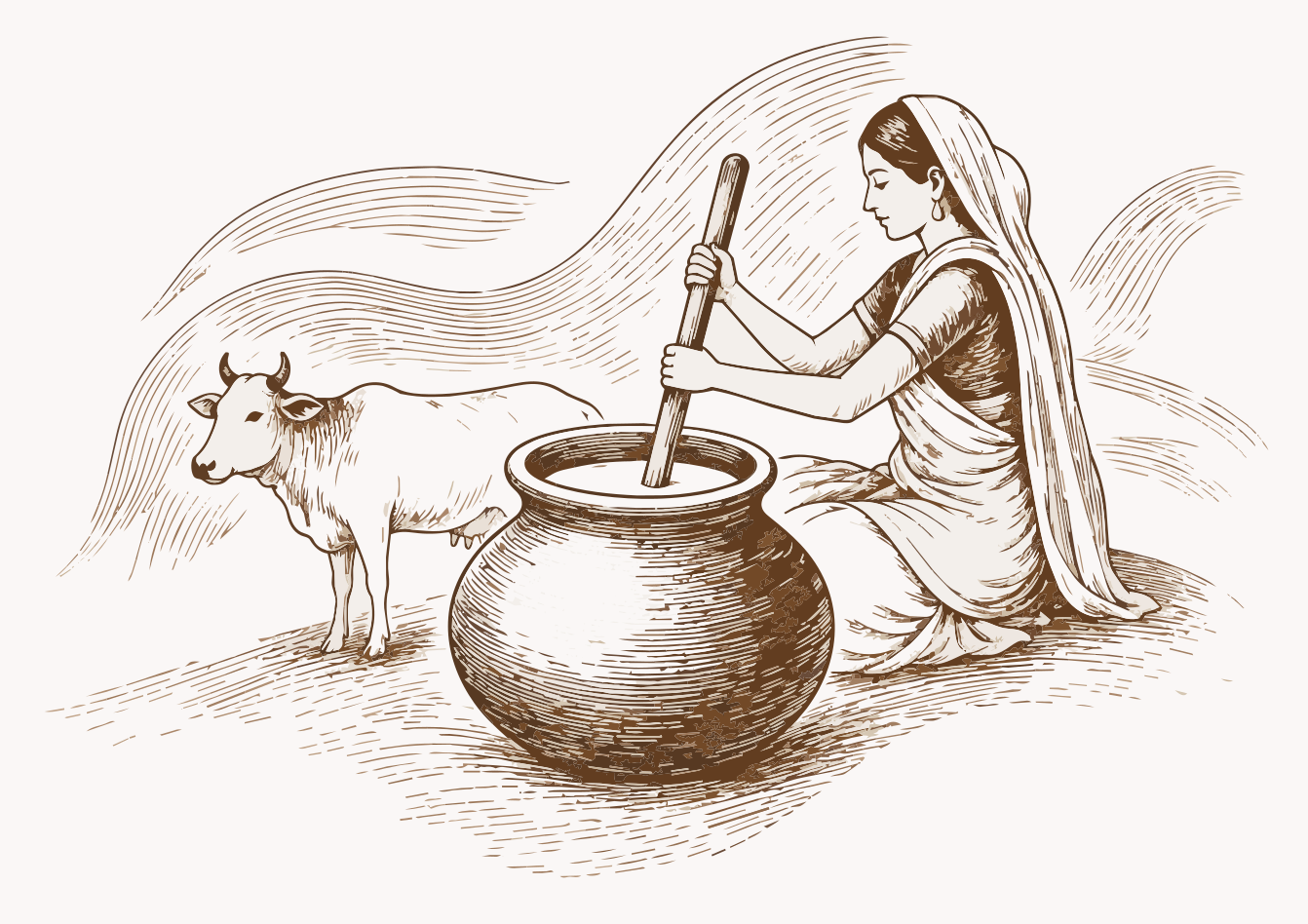
Before the sun was fully up, Dadi would already be sitting on the aangan, a matka of curd between her knees, the madani spinning between her palms — the same rhythm, the same hands, that had been doing this for as long as anyone in the family could remember.

“That smell is something we still carry with us. Not as a memory, but as a promise.”
A world where ghee isn't rushed out of a machine, but earned, slowly, over hours of patient churning. That's the world Rohida Farm comes from — and it's the world we bring to your kitchen table.
Everything Has A Story.
Here's Ours.
We'd wake up to that sound before we woke up to anything else. Not an alarm, not the radio — just the soft, steady churn of makhan being separated from curd, the way it had always been done, the way her mother had taught her, and her mother before that.
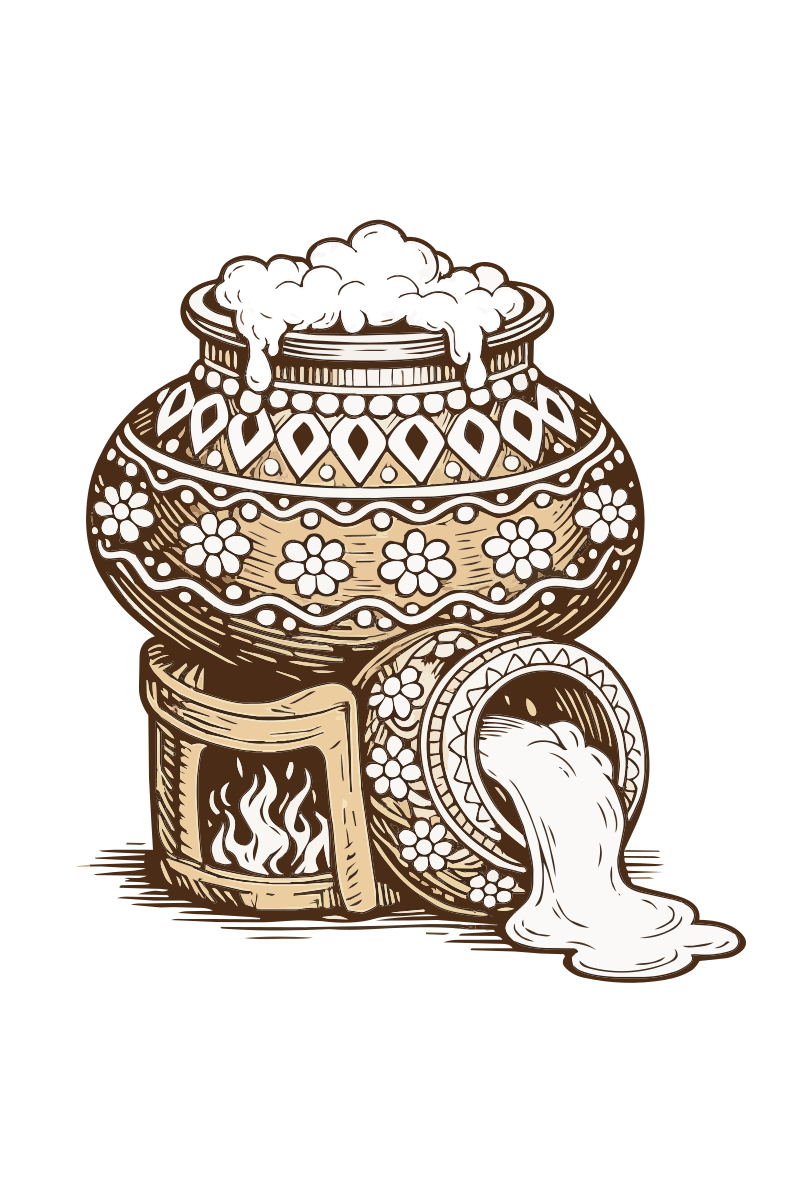
By the time we were ready for school, a small katori of fresh makhan would be waiting for us, still cool, still carrying the faint smell of the earthen matka it had rested in overnight. And in the evenings, that same makhan would go into a kadhai over a slow wood flame, turning golden, turning fragrant, until the whole house smelled like ghee — warm, nutty, unmistakably home.
That smell is something we still carry with us. Not as a memory, but as a promise.
Our World Is A Little Slower — On Purpose
We know life today moves fast. Deadlines, deliveries, notifications — everyone's chasing something. We're not asking you to slow down. We're just asking you to borrow a little bit of our world for a moment — the one with charpais under a neem tree, chaas in a steel glass, and a matka that still keeps water cooler than any fridge.
A world where ghee isn't rushed out of a machine, but earned, slowly, over hours of patient churning.
That's the world Rohida Farm comes from. And it's the world we want to bring to your kitchen — one jar at a time.
What We Stand For
Purity
Tradition
Farm-Rooted
Trust, Made Visible
Why We Went Back To The Village
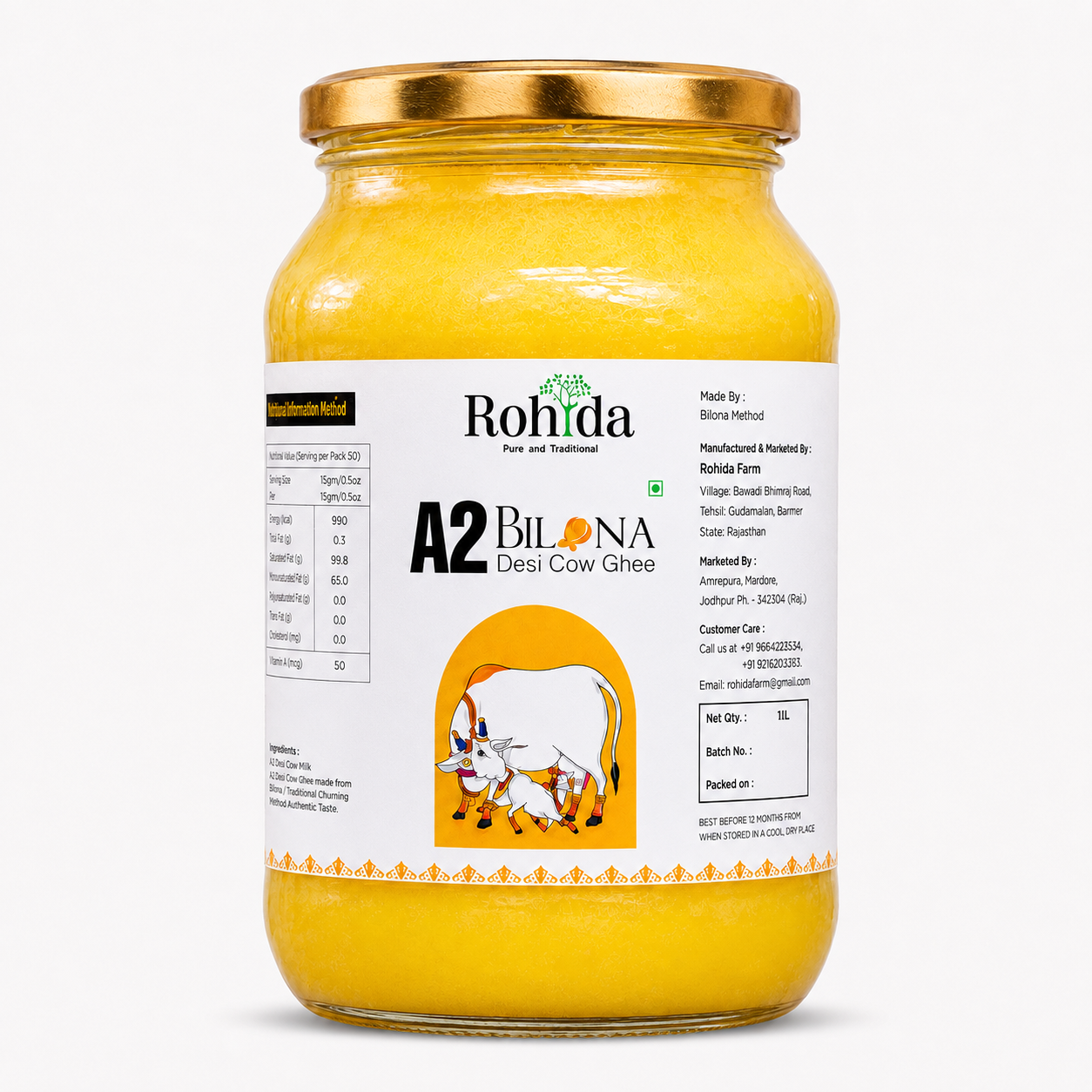
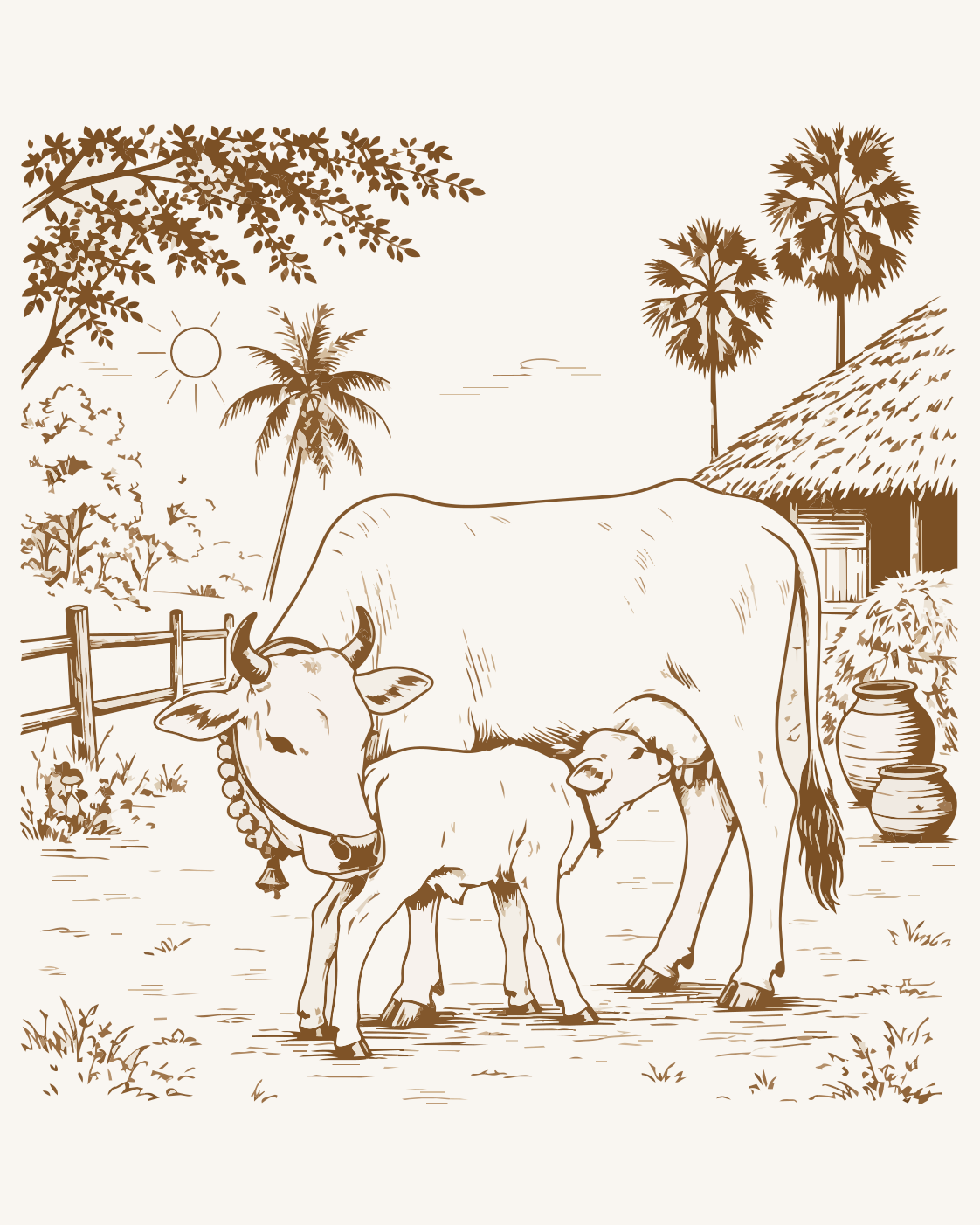
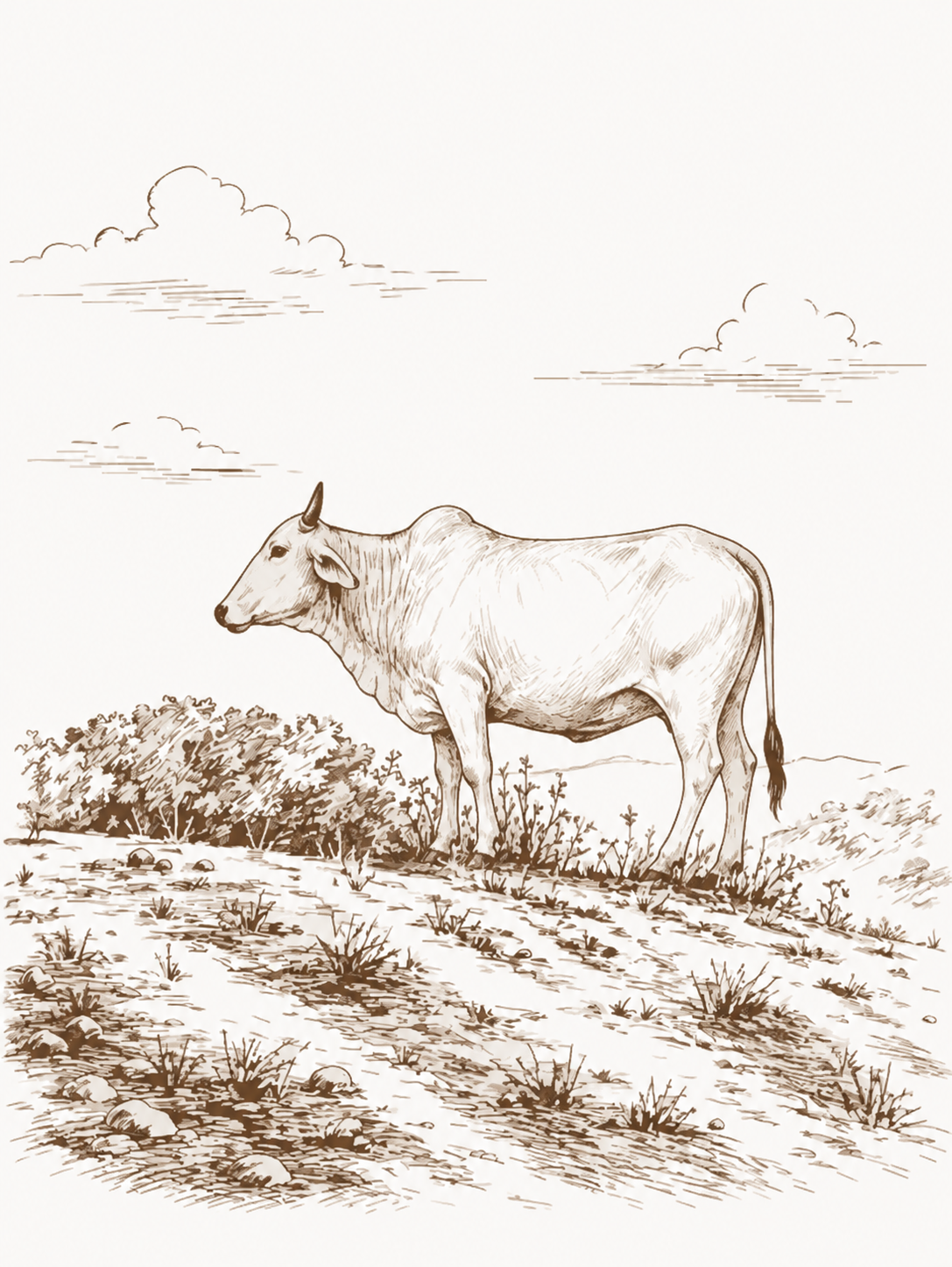
When we set out to build something of our own, we didn't want to build another food brand. We wanted to protect something — the same Bilona process our Dadi swore by, the same indigenous Tharparkar cows our village has always trusted, the same patience that machines have quietly replaced in most kitchens today.
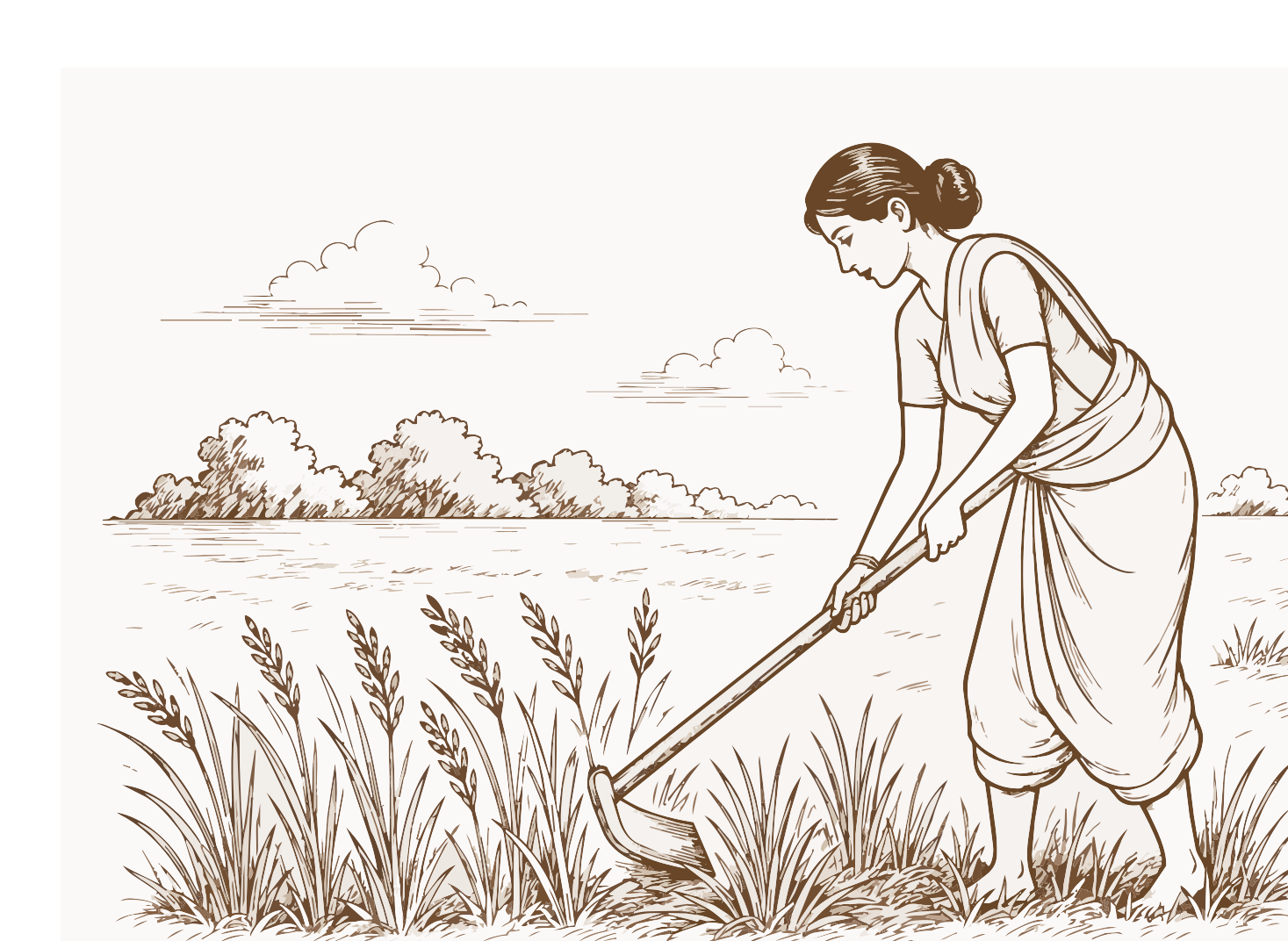
So we went back — to the farms of Rajasthan, to the families who still milk their cows by hand, to the traditional Bilona method that turns curd into makhan and makhan into ghee, slowly, honestly, without shortcuts.
We named our brand after the Rohida tree — Marwar's own tree of resilience. In the harshest heat of the Thar, when everything else has withered, the Rohida blooms bright orange, almost defiantly beautiful. It has survived Rajasthan's toughest seasons for centuries, the way our traditions have.
That's what we wanted this brand to stand for — something rooted, something that doesn't bend just because the world around it has changed.
A Note From Our Founder
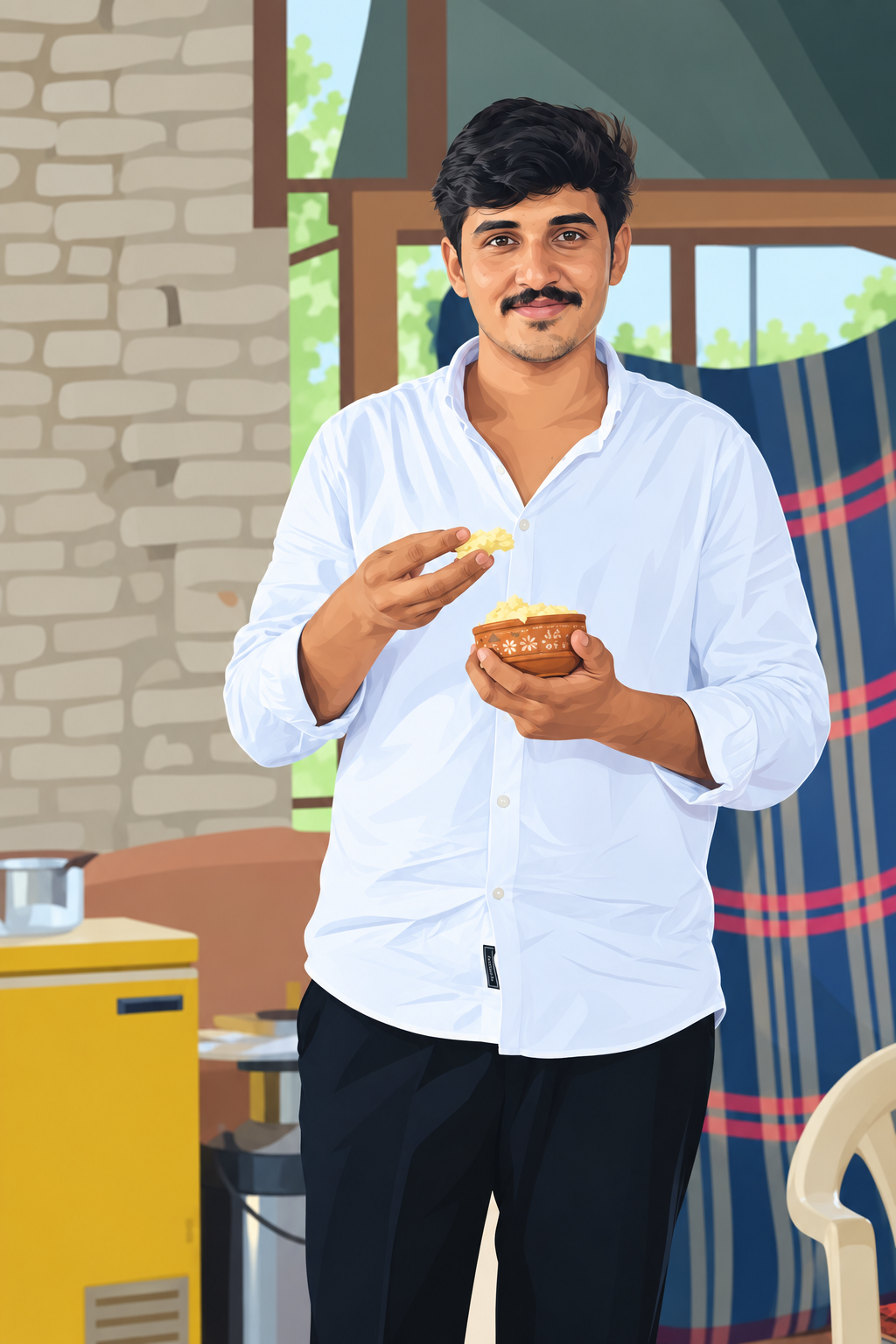
Raja Patel's connection to farming didn't begin with a business plan — it began with the land itself, and a deep respect for the traditions his family and community in Rajasthan have carried forward for generations.
Studying agriculture only deepened that pull — a growing conviction that India's traditional farming wisdom, if presented with the care it deserves, could stand shoulder to shoulder with any premium brand in the world. Rohida Farm grew out of that belief.
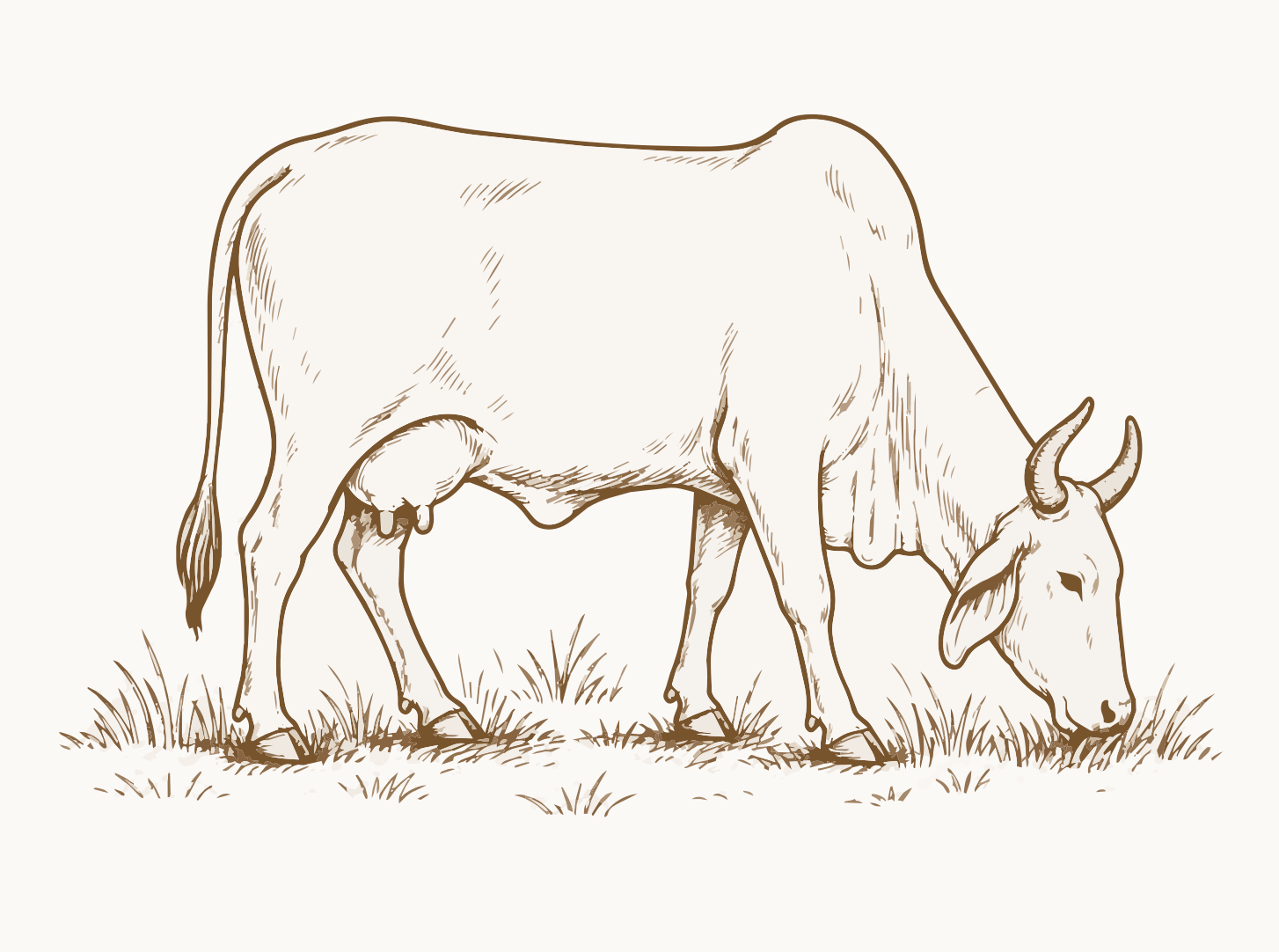
Our herd today is made up of indigenous Tharparkar desi cows — a hardy, native Rajasthani breed long relied upon by our ancestors, who followed the same Bilona method we still use to make our ghee. Raja's hope is simple: to carry that Old Bharat wisdom forward, unchanged, and let it find its place in modern Indian homes.